How To Find The Right Influencer For Your Next Influencer Marketing Campaign

Did you know that 1 in 4 marketers currently leverage influencer marketing to grow their brand online?  That’s right! In today’s digital age, influencer marketing has become an essential strategy for brands looking to reach their target audience effectively.

However, identifying the right one might be difficult with so many influencers available. It’s not just about how many followers they have; it’s about finding someone who aligns with your brand values and can authentically promote your products or services.

But don’t worry, we’ve got you covered! We will walk you through the process of identifying the perfect influencer step by step in this blog.

Our recommendations and techniques will help you make informed decisions and maximise the impact of your influencer relationships, whether you’re a small business or a major multinational. 

Get ready to take your marketing efforts to the next level with the right influencer by your side!

Micro-Influencers Vs Macro Influencers, Who Should You Go For?
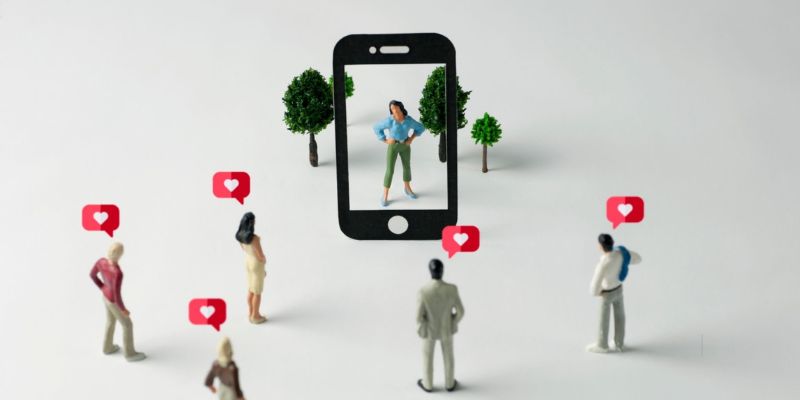
As brand consumption evolves, customer expectations have shifted towards immersive experiences. In a crowded marketplace, digital engagement alone is no longer sufficient. Influencers offer a valuable solution, providing access to pre-existing audiences and helping brands stand out in a saturated landscape.

And when it comes to choosing an influencer to amplify your brand, you have to choose from either of these two- micro-influencers or macro-influencers. 

Micro-influencers are those with around 50k to 500k followers, while macro-influencers have more than 500k followers, up to 1M followers, typically celebrities or very popular social media influencers.

DID YOU KNOW? Micro-influencers generate up to 60% more engagement than macro-influencers.

Benefits of Choosing a Micro-Influencer:

  • Tend to have closer relationships with their audience, which translates into a higher trust factor and engagement rate. 
  • Often create more authentic content as they are perceived as relatable and genuine.
  • Cost-effectiveness

Benefits of Choosing a Macro-Influencer:

  • A larger follower base = wider reach, exposing a brand to a larger audience. 
  • They often have established reputations and are seen as authoritative figures within their respective niches. 
  • Though they come with a lesser engagement rate, collaborating with them can help enhance brand credibility and reputation.

When deciding which influencer to go for, it really depends on the marketing campaign’s goals. If you want to reach as many people as possible, then a macro-influencer is the way to go. However, if you are looking for more engagement and better content creation, then micro-influencers are your best bet!

What Metrics Should You Look For?

When it comes to influencer marketing, there are several key metrics that you should look for to measure the effectiveness of your campaign. These metrics include:

  1. Engagement metrics: This metric reflects how much interaction and involvement the influencer’s audience has with their content. It includes likes, comments, and shares.
  1. Conversion rates: This metric tracks the number of people performing a desired action after viewing an influencer’s content, such as purchasing or signing up for a subscription.
  1. Reach and impressions: These metrics indicate how many people have seen the influencer’s content and how many times it has been viewed.
  1. Audience growth rate: This metric assesses the rate at which an influencer’s audience grows over time.
  1. Brand mentions: This tracks how often an influencer mentions your brand.
  1. Website traffic from social media:  This metric measures social media traffic generated to your website from the influencer.

It is important to define clear goals and a measurement timeline for your influencer campaign to track these metrics effectively.

Bouns Tip: 10 Influencer Marketing Trends To Make Use Of In 2023

7 Tips For Finding The Right Influencer For Influencer Marketing Campaign

Here are 7 tips to help you find the perfect influencer for your next marketing campaign:

1. Define Your Goals:

Outline your campaign’s objectives clearly. Are you aiming for brand awareness, conversions, or engagement? A well-defined purpose will direct your search for an influencer whose audience coincides with your objectives.

2. Understand your target audience:

Understand your ideal customer’s demographics, interests, and behaviours. Look for influencers whose followers closely match your target audience to ensure maximum relevance.

3. Content Alignment:

Check the influencer’s prior content to make sure it is consistent with your brand’s values and messaging. The consistency of their content and your brand identity is critical for authenticity.

4. Keep an eye on your competitors:

Monitoring competitors can help determine effective marketing strategies. Keep an eye on influencers who mention or tag your competitors for potential interest in your content.

5. Engagement > Followers:

While a large number of followers may be tempting, engagement rates should be prioritised. An influencer with a loyal and engaged audience generally outperforms one with a large but disengaged following.

6. Follow industry podcasts, events, and newsletters:

Collaborating with industry experts and thought leaders, rather than just high follower count influencers, can lead to successful campaigns. 

Look for these individuals through events, podcasts, blogs, and newsletters in your industry. 

7. Analyse the influencer’s persona:

To understand your influencer’s persona, you need to ask these questions to yourself:

  • What is your ideal creator’s niche?
  • Who is their audience?
  • What’s their personality type, and how does it align with your brand voice?
  • What are their values, and do they align with your brand?

Remember, finding the right influencer is about finding a partner who genuinely resonates with your brand and its audience. For a successful influencer marketing campaign, make sure you do your research well!

Now That You’ve Found The Perfect Influencer, What Next?

Congratulations on identifying your ideal influencer! The next step is to establish a genuine and meaningful connection with them. 

  • This involves reaching out with a personalised message that expresses your admiration for their work and highlights the common values that brought you two together. 
  • Engaging with their posts by liking, commenting, and sharing their content is crucial to show your support and build trust.
  • Brainstorming resonating content ideas is also essential to ensure that your partnership is fruitful and aligned with your brand message. 
  • Clearly define the terms of your partnership, communicate regularly, and cultivate an authentic relationship for a successful campaign. 

With your enthusiasm and thoughtful approach, you’re sure to have a fantastic partnership!

Not Able To Pick One? We’re Here To Help!

Introducing BuzzFame, your go-to influencer marketing platform in India. We connect brands with top social media influencers nationwide, creating custom strategies to drive audience engagement and action. 

Our proven track record of matching brands with the perfect influencers and crafting authentic, resonant content sets us apart. 

So, if you need expert help to help your brand through the power of influencer marketing – all you need to do is contact us today!

Conclusion

Finally, the success of any influencer marketing strategy depends on picking the right influencer. You can easily navigate the not-so-complex landscape of influencer marketing as long as you follow the tips discussed in this blog!

Remember that an in-depth understanding of your target audience, well-defined campaign objectives, and a genuine alignment between the influencer’s content and your brand values are all critical. 

As the influencer marketing industry evolves, adaptability and creativity are essential. 

PRO TIP:
Instead of approaching influencers for business, start having meaningful conversations and make friends with them. Always prioritise genuine connections over transactional encounters!

Also, you can get frequent updates on buzzfame instagram page

Frequently Asked Questions (FAQs)

  1. How do I choose the best influencer for my next campaign?

Consider relevancy to your brand, audience alignment, engagement metrics, authenticity, and past partnerships when selecting the right influencer for your campaign. You can choose them based on how well they suit your brand values.

  1. How do you identify key influencers?

You must thoroughly understand your target audience’s persona and demographics to find the right influencers to collaborate with, including details such as where they live, their age, their jobs, their interests, and passions, how frequently they use social media, and more.

  1. What is the best influencer strategy?

In order to gain the most exposure and conversion, it’s best to partner with influencers with highly engaged audiences. Make sure you create content that is authentic and engaging. This will help you build trust with your target audience and drive results for your business.

  1. How many influencers should I use for a campaign?

The number of influencers you need to involve for a campaign is determined by your budget, goals, target audience, and the type of influencer marketing you want to undertake. You should work with more influencers with smaller followings for brand recognition and fewer influencers with larger followings for lead generation.

  1. What kind of influencer marketing campaigns work best?

When it comes to influencer marketing campaigns, contests, giveaways, account takeaways, etc., work best for brands looking to increase their engagement rates and brand awareness.

10 Influencer Marketing Trends To Make Use Of In 2023

All You Need To Know About Influencer Marketing

What is Influencer Marketing?

When you scroll through Instagram, Facebook, or any other social media platform, you can see brands collaborating with individuals with a significant following to promote their products, services, and presence (awareness). It is known as influencer marketing, and brands use it to reach their target audience.

Who are Influencers?

Influencers are individuals with established and engaging following on social media platforms. They are powerhouses who can influence their followers’ opinions, behaviours, and purchasing decisions. They have built expertise, authenticity, and credibility in a particular niche, making them trustworthy.

Types of Influencers

  • Nano-influencers (Less than 1000 followers)
  • Micro-influencers (1000 to 50K followers)
  • Mid-tier influencers (50K to 500K followers)
  • Macro-influencers (500K to 1M followers)
  • Mega-influencers (1M+ followers)
How does influencer marketing work?

Step 1: Once brands have defined their campaign objectives for brand awareness, product promotion, or engagement, they reach out to influencers who align with their brand values. 
Step 2: They propose a campaign and negotiate terms of collaboration, like compensation and incentives.
Step 3: Influencers create content that resonates with their audience and speaks well of the campaign’s objectives. They share it on social media platforms, tagging the brand and using relevant hashtags.

It doesn’t end there. The marketing results should be analysed and measured using key performance metrics such as reach, engagement, website traffic, conversions, and ROI. 

BuzzFame can now handle all aspects of influencer marketing for your brand, and the specialists in the area will take your brand to the next level!

Watch Out For These 10 Influencer Marketing Trends In 2023!

Influencer marketing is very popular with millennials and Gen Z because, according to a report, nearly 89% of marketers find it the most effective. Hence keeping up with the changing trends is crucial for brands to stay in the limelight. 

BuzzFame has listed 10 influencer marketing tips to follow in 2023 below. Let’s get started!

1. Long-Term Influencer Partnerships!

  • Brands will seek long-term collaboration and strong partnerships with influencers in 2023. 
  • Long-term collaborations aid in deeper brand integration, building strong bonds with influencers’ following, and gaining trust through constant contact and engagement. 
  • Collaboration over time can help influencers and companies establish a more legitimate and substantial presence in the influencer marketing system. 

Influencers will become more like brand ambassadors working with brands for at least a year and more. 

2. Authenticity Over Perfection!

  • Influencers will be more conscious of their brand picks in 2023, as their following value authenticity above perfection. 
  • Since audiences understand the importance of money in partnerships, influencers only accept sponsorships if the product or service is reputable.
  • Not being careful with the information they present to their followers may lead to losing trust over time. 

3. Video Content – The King!

  • Videos are the ever-crowned king that never falls out of its position. Video marketing continues to grow since it brings a high level of engagement and brand exposure, luring millennials and Gen Z.
  • It is necessary to choose the format, long or short, and the tone and style, educational, informative, humorous, or a blend, based on the different social media platforms. 

4. Live Shopping Is The New Buzz!

  • If you go through Instagram or Facebook, you can see influencers showcasing their favourite products to their followers live. 
  • When influencers go live and talk about a specific product, it gives a chance for followers to interact and influencers to clear their queries. 
  • China popularised live shopping trends, making it one of the most significant influencer strategies ever. Amazon, Facebook, TikTok, and Instagram are on board in developing livestream shopping tools and partnerships. 

5. Nano And Micro-Influencers Will Be In The Forefront!

  • Though Nano and Micro-influencers have a small following, they have higher engagement and conversion rates. Hence in 2023, brands will reach out more to them to promote their products and services than mid-tier, macro, and mega influencers. 
  • Since Nano and Micro-influencers are inexpensive and have a loyal following base, they can convert them into customers effortlessly. 

Bouns Tip: Who Are Micro-Influencers?

6. Diversification Of Platforms!

  • We can see a lot of collaborations happening on Instagram. However, in 2023, the influencer marketing landscape will evolve, and platforms like YouTube, Instagram, Twitter, Snapchat, TikTok, LinkedIn, etc., will become popular platforms for influencers to connect with their audiences. 
  • The famous and influential platforms targeted in 2023 are YouTube, Facebook, WhatsApp, Instagram, and Messenger. 

7. Make Way For Influencer Podcasts!

  • In 2023, there will be a massive number of followers listening to influencer podcasts. It’s because top influencers have taken the stage to discuss anything from pop culture to politics.
  • Using multi-host, interview, and round table formats can help you build a dedicated podcast audience. 
  • Brands may reach a new and engaged audience by working with the right influencers and including their products and services on their broadcasts. 

Bouns Tip: Sparking Brand Passion: Mastering the Art of Viral Branding

8. Employees Are The New Influencers!

  • In 2023, you can see brands using their employees as influencers to promote their products and services on social media pages. 
  • It is because brands require authenticity, and when their employees promote products, it creates more credibility.
  • One excellent example is Amazon. When you see the Amazon recruitment advertisement, you can see their actual employees featured on it. This creates a sense of trust for applicants. 

Bouns Tip: How to Become a Social Media Influencer?

9. User-Generated Content Stays!

  • In 2023, you can see brands sharing more organic content created (review or feedback) by their followers or consumers.
  • Since this content is not paid or sponsored and is truly genuine and honest recommendations, it helps create trust and credibility for the brand. 

10. Peaking Cross-Channel Influencer Marketing Campaigns!

  • In 2023, brands will combine the strengths of different platforms and create entertaining, informative, engaging, and inspiring content. 
  • Through cross-channel marketing brand can reach a wider audience, and the possibilities are endless. 

Why Choose Buzzfame For Influencer Marketing?

You should approach BuzzFame to take your brand to another level. It is an influencer marketing platform with over 500 influencers on board. Buzz Fame pairs the right influencer with a brand, evaluating the brand’s value and requirements. 

It can provide 10X engagement to your brand by following industry best practices to level up your brand image, maximise ROI, and drive engagement. If you are a brand looking for industry-best influencers or latter looking for potential partnerships, you can now visit BuzzFame!

Conclusion

Many influencer marketing trends come and go, but authenticity remains the key and takes centre stage always. Influencers create relevant, creative, unique, and credible content, speaking of the brand’s needs to reach their targeted audiences. 

Pairing with the right influencers is necessary not to risk your brand’s reputation and value. So, it is better to approach influencer marketing agencies, like BuzzFame, that are well-versed and know what they can do for your branding requirements. 

Also, you can get frequent updates on buzzfame instagram page

FAQs

1) What is the purpose of influencer marketing?

Brands use influencer marketing as a strategy by leveraging an individual’s popularity, credibility and reach to promote their products and services. It helps with brand awareness and visibility, boosts engagement, and drives sales. 

2) How successful is influencer marketing?

Influencer marketing can be highly successful if you effectively use the influencers’ trust for increased brand awareness and engagement. 

3) Who are some of India’s biggest influencers?

Virat Kohli, Riyaz Aly, Varun Aditya, Rohit Zinjurke, Aaditya D. Sawant, Deepika Padukone, etc., are some of India’s biggest influencers. 

4) How much do influencers get paid for paid partnerships?

Payment for influencers depends on follower count, engagement rate, niche, and the brand’s budget. It ranges from INR 2000 to even crores. 

5) Which is the best influencer marketing agency in India?

The best influencer marketing agency in India is BuzzFame. With over 500+ influencers on board, it pairs brands with the right influencers to drive revenue and enhance engagement.

How To Grow Your Brand With The Help Of Micro-Influencers

Brands are constantly looking for innovative ways to increase their reach, connect with their target audience, and strengthen their online presence in the dynamic world of digital marketing. Enter micro-influencers, an emerging force that has changed the influencer marketing landscape. 

In this blog post, let’s explore the art of using micro-influencers to grow your brand. We’ll look at how to create partnerships that have an impact and produce outstanding results, starting with an understanding of micro-influencers and their distinctive advantages.

Who Are Micro-Influencers?

Micro-influencers are people who build a loyal and engaged following within a particular industry or niche. These influencers will have followers ranging between 10k to 50k. Although they might not have the massive followings of macro-influencers, their authenticity and close relationship with their audience make them an invaluable resource for brands looking to build a sincere relationship with prospective customers. 

Because micro-influencers frequently have a more relatable and personal online presence, their endorsements and suggestions are more credible. This authenticity is a result of this.

Advantages Of Micro-Influencer Collaborations

1. Authenticity and Trust: 

Micro-influencers’ ability to build trust with their followers is one of the most important benefits of working with them. Consumers who are becoming more selective about promotional content tend to connect with it better because it feels less polished and more authentic.

2. Relevance in the Niche: 

Micro-influencers frequently concentrate on a single niche or subject. This alignment ensures that your brand message is seen by people who are interested in what you have to offer, which generates more qualified leads and higher engagement rates.

3. Cost-Effective: 

Compared to partnering with macro-influencers, collaborating with micro-influencers is often more budget-friendly. Their rates are generally lower, allowing brands with smaller marketing budgets to tap into the power of influencer marketing.

4. Engagement and Interaction: 

Micro-influencers tend to have a more engaged audience, fostering meaningful conversations around your brand. This interaction goes a long way in building brand loyalty and driving conversions.

Crafting A Winning Micro-Influencer Strategy

1. Determine Your Goals: 

Clearly state the campaign’s objectives. Whether you aim to increase brand recognition, spur sales, or introduce a new product, having a clear objective will help you plan your strategy.

2. Do Your Research:

Thoroughly investigate potential micro-influencers in your industry before making your choice. Find influencers with an engaged audience who fit your target demographic and whose values are compatible with your brand.

3. Personalised Outreach: 

Send influencers a message that expresses your sincere interest in their content and is tailored to them. Show them how your partnership can benefit their audience.

4. Relationships Over Time: 

Establishing relationships over time with micro-influencers can result in consistent brand advocacy. Maintain communication with influencers outside of specific campaigns to encourage adherence.

How To Choose A Micro-Influencer For Your Brand?

Step 1: Determine Your Goals

Knowing your goals should be your first step. Are you trying to increase sales, brand awareness, or a combination of these? Knowing your objectives in advance will help you identify an influencer who shares them. 

Step 2: Determine Your Target Audience

Identify the ideal customers for your brand. Understand their characteristics, passions, and preferences. Identifying an influencer whose followers closely resemble your target audience becomes easier with this information.

Step 3: Conduct Research

Explore relevant social media platforms specific to your business. Discover individuals already discussing topics related to your brand. These individuals may have a smaller following, but their high levels of engagement make them powerful micro-influencers.

Step 4: Assess the Quality of Content

Evaluate the caliber of an influencer’s content. Do their aesthetics and values align with your brand? Audiences respond more positively to excellent, genuine content.

Step 5: Analyze Engagement Rates

Engagement holds more importance than follower count. Examine metrics such as likes, comments, and shares on an influencer’s posts. A loyal and active fan base indicates a micro-influencer capable of sparking meaningful interactions.

Step 6: Evaluate Authenticity and Credibility

Integrity is crucial. Review an influencer’s past collaborations. Do they genuinely support the products they endorse, or does it come across as forced? The credibility of an influencer directly impacts your brand’s reputation.

Step 7: Check for Audience Alignment

Ensure an influencer’s followers align with your target demographic. Shared interests and demographics increase the likelihood of a successful partnership.

Step 8: Assess Brand Fit

Determine if the influencer’s personal brand aligns with yours. A seamless partnership requires shared values and a complementary brand image.

Step 9: Establish Personal Connections

Initiate direct contact with shortlisted influencers. Express genuine interest in their work and explain why you believe they would be an excellent fit for your brand. Better connections are fostered by personalised messages.

Step 10: Collaboratively Negotiate Terms

Be receptive to their ideas when discussing the terms of the collaboration. A collaborative strategy fosters trust and guarantees that both parties are happy with their partnership. Better connections are fostered by personalised messages.

Step 11: Collaboratively Negotiate Terms

Be receptive to their ideas when discussing the terms of the collaboration. A collaborative strategy fosters trust and guarantees that both parties are happy with their partnership.

Step 12: Establish Specific Goals

Clearly state what you expect in terms of content type, frequency, key messages, and campaign length. By doing this, future misunderstandings are avoided.

Step 13: Track and Evaluate Progress

Watch the influencer’s posts and engagement metrics throughout the campaign. After that, evaluate how the campaign performed in relation to your objectives, such as higher website traffic, sales, or brand mentions.

Step 14: Develop Relationships

If the partnership is successful, keep up a good rapport with the influencer. Future campaigns may be more authentic and successful as a result of long-term partnerships.

Flow of the deal with an example:

Let us understand this with an example:
The skincare brand wants to reach young adults who are into natural skincare products. They find @GreenGlowBeauty on Instagram, who has a decent following and is passionate about sustainable skincare. @GreenGlowBeauty’s posts get a lot of engagement, even though she doesn’t have a massive following. 

The brand realises that @GreenGlowBeauty’s values align with theirs and decides to collaborate. They send her a message expressing their admiration and explaining why they think she’d be a good fit. 
They agree on the collaboration details, including the frequency of posts, talking points, and the campaign duration. During the campaign, the brand tracks @GreenGlowBeauty’s posts and sees an increase in website traffic and product inquiries. They are happy with the collaboration and continue to stay in touch with @GreenGlowBeauty, occasionally sending her new product launches.

Remember, finding the right micro-influencer is a blend of data-driven analysis and genuine human connection. Understanding their perspective and collaborating authentically can result in a fruitful partnership for your brand.

Case Studies: Success Stories

1. Local Skincare Brand: 

Micro-influencers who were passionate about skincare regimens and natural beauty teamed up with a local skincare brand. The influencers produced sincere content that showed how they used the brand’s products in their daily lives. A 30% increase in website traffic and a noticeable increase in product sales were the outcomes of the campaign.

2. Fitness Apparel Company: 

To promote its products, a fitness apparel company teamed up with micro-influencers who were well-liked in the fitness industry. While sporting the company’s apparel, these influencers posted about their workout experiences. The campaign increased social media engagement by 20% while also boosting sales.

3. Measuring ROI and Success

Keep tabs on important metrics like engagement rates, website traffic, conversion rates, and social media growth to evaluate the success of your micro-influencer campaigns. Track these metrics over time to determine the long-term impact of your collaborations.

Also, you can get frequent updates on buzzfame instagram page

Sign A Deal Today

In the world of digital marketing, micro-influencers have become a powerful force that gives brands a chance to connect with their target audience in an authentic way. They are valuable to any brand’s growth strategy due to their niche relevance, authenticity, and engaged following. 

In the competitive digital landscape, brands can foster trust, drive engagement, and ultimately accelerate their growth by carefully choosing and cultivating partnerships with micro-influencers. So, embrace micro-influencers influence and set out on a brand-expansion journey based on connection and authenticity.